
Legacy · Family · Culture
What remains when the cameras stop

Family
A home before an audience
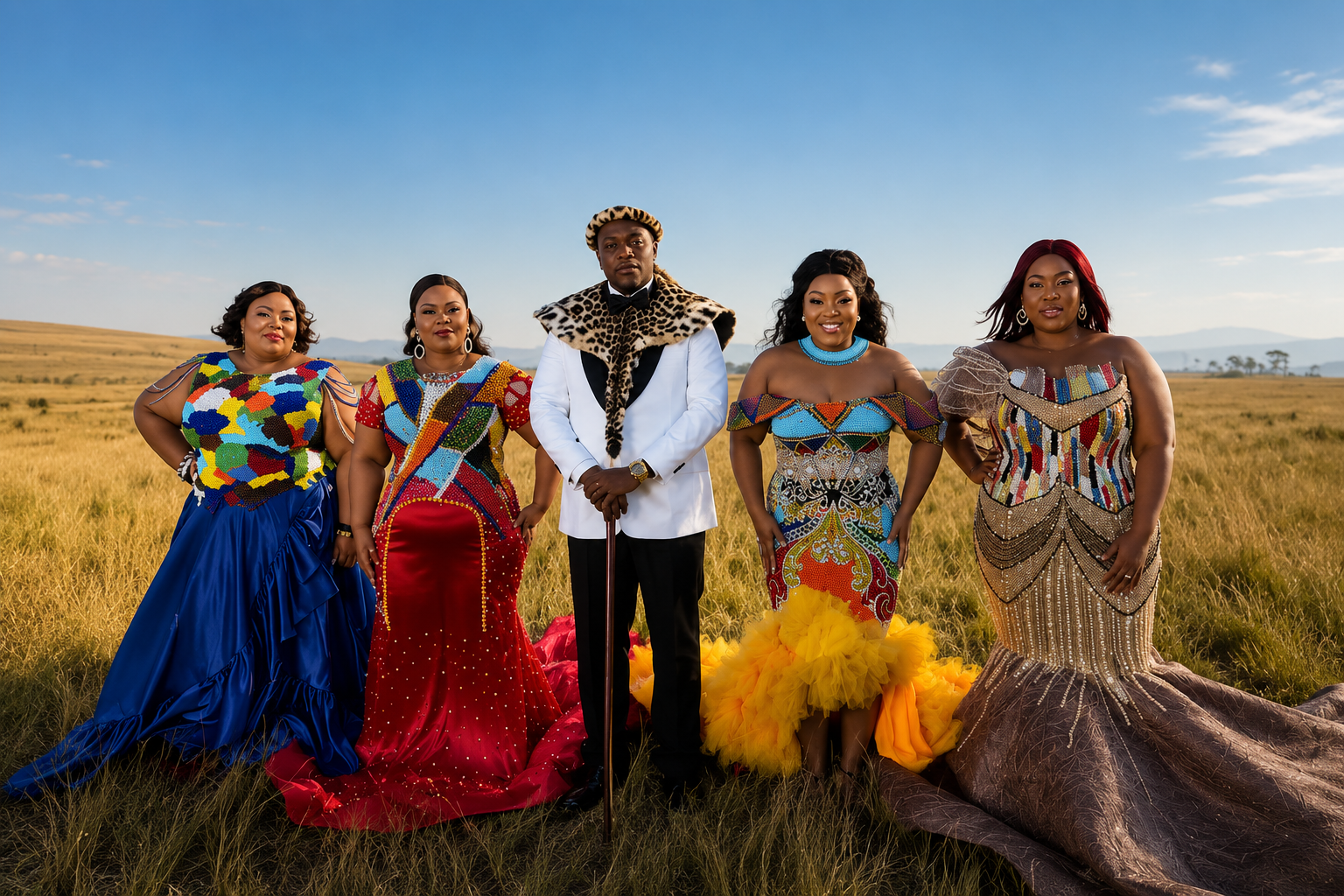
Before television, before the name, there is a household — wives, children, elders and the daily work of keeping one family whole. Musa’s public story begins and ends here.
Fatherhood, unity and responsibility are not themes chosen for a show. They are the terms on which the Mseleku home is built.
Culture
Isithembu, spoken about honestly
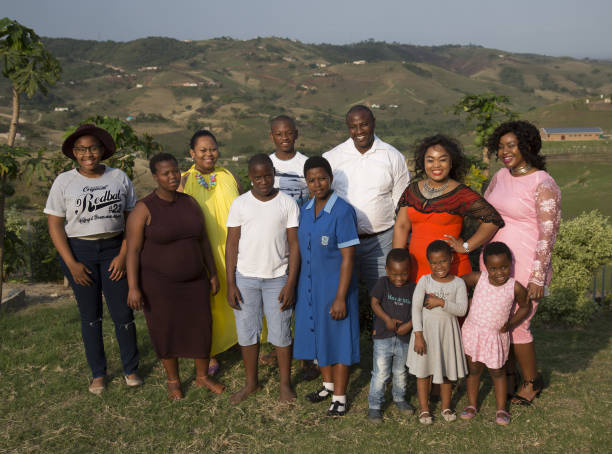
Isithembu is part of a cultural inheritance far larger than one family. What Musa has done differently is talk about it — openly, imperfectly and in public — so that a private tradition could become an honest national conversation.
This platform continues that work: with respect, without sensation, and with room for hard questions.

Faith & Resilience
Carried through the hardest season
Musa’s journey has included personal difficulty and recovery — a health scare that placed family, faith and mortality in sharp focus.
He speaks about that season with gratitude rather than drama: for the wives who nursed him, the family that closed ranks, and the faith that steadied him. (Wording pending approval.)
Public Scrutiny
Living honestly in public
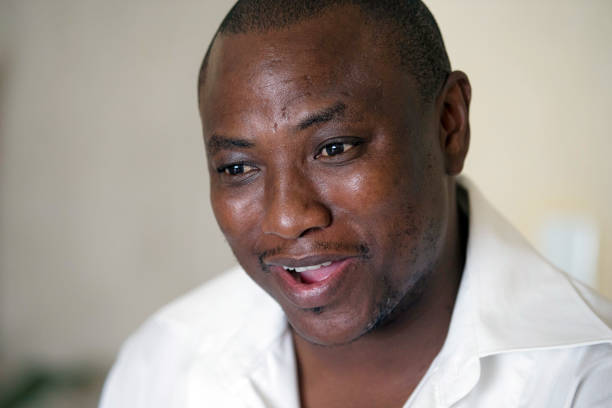
Living publicly comes with criticism. Musa’s story continues to create space for difficult conversations about family, culture, responsibility and modern South African life.
The measure he has chosen is not applause but honesty — nothing hidden, and the audience left to think for itself.
“
A family name, homes for my children, lessons that outlast me, and a culture spoken about with pride — that is the legacy.
Musa Mseleku · draft, pending approval